How to Stay Warm Backpacking: The System That Beats a Colder Night
As an Amazon Associate I earn from qualifying purchases. Prices and availability are accurate as of the date/time indicated and are subject to change.
How we picked: This guide compares options using published
specifications, verified owner-review patterns and reputable expert testing.
We label clearly what is hands-on vs research-based, and never present others'
testing as our own.
Our top picks
| Rank | Product | Name | Why we picked it | Buy |
|---|---|---|---|---|
| Top pick |  | TETON Sports LEEF 20F/5F Mummy Sleeping Bag (warm synthetic, budget) | Check price | |
| Runner-up |  | Naturehike Lightweight Compact Sleeping Bag (packable 3-season) | Check price |
Ask someone who had a miserable cold night backpacking what went wrong and they’ll blame the sleeping bag. Usually that’s only part of it. Staying warm outdoors is a system — bag, pad, shelter, clothing, food, and a few habits — and the weakest link decides your night, not the most expensive piece. The good news: the cheapest fixes (a warmer pad, a hat, a hot drink) often matter more than a pricier bag. Here’s how the system works.
The warmth system, weakest link first
- Sleeping pad (the most underrated piece). The cold ground steals heat faster than cold air — a bag crushed flat under you insulates almost nothing. A pad’s R-value (insulation) matters as much as your bag’s temperature rating. This is the #1 fix for cold sleepers.
- Sleeping bag rating (read it skeptically). Bag ratings — especially budget ones — run optimistic. A “20°F” budget bag is often a 30°F comfort bag. Our temperature ratings guide explains how to translate the number honestly.
- Shelter. A tent traps a few degrees over open air and blocks wind — a real contributor, covered in how to choose a backpacking tent.
- Clothing and habits. Dry base layers, a hat (huge heat loss through the head), and eating before bed all feed the furnace.
Practical ways to sleep warmer tonight
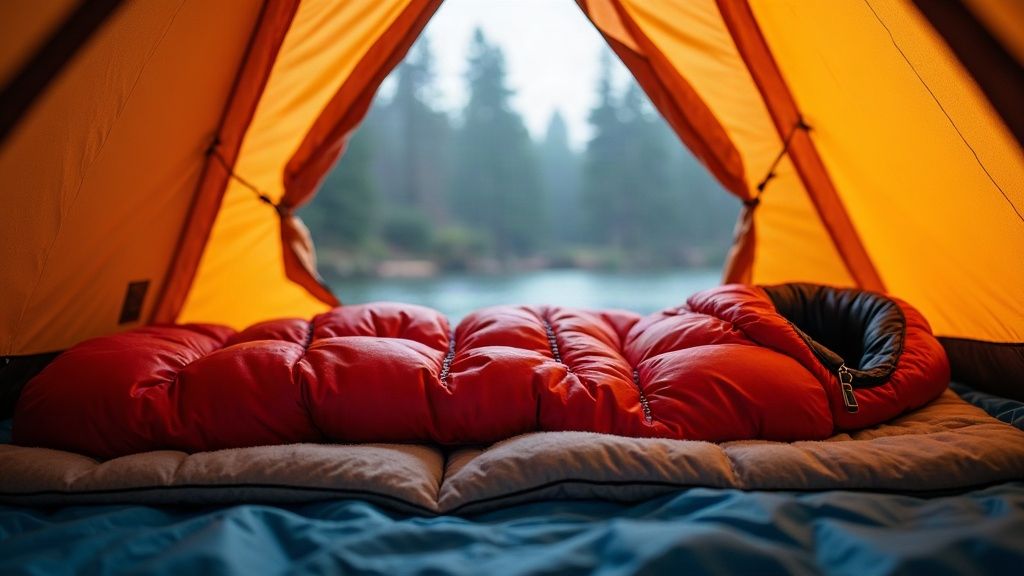
Cheap, effective moves in rough priority order:
- Use an insulated pad with adequate R-value for the season — or double up a foam pad under an air pad in the cold.
- Wear a warm, dry hat and dry base layers to bed; change out of anything sweaty.
- Eat a snack before sleep — digestion literally generates heat.
- Put a hot water bottle in the bag (a sealed bottle of hot water by your core/feet).
- Vent to avoid condensation — damp insulation is cold insulation.
- Pick a good bag for the range: a warm synthetic like the TETON for cold-value, or a packable Naturehike for milder 3-season nights — see our budget sleeping bags guide.
Why am I cold in my sleeping bag even though it’s rated warm enough?
Usually the pad, not the bag. If your pad’s insulation is too low for the ground temperature, the cold ground pulls heat straight out of your back and the bag can’t compensate. Add pad insulation (higher R-value or a foam pad underneath) and most “my bag isn’t warm enough” problems disappear. Also remember budget bag ratings run optimistic.
Does a sleeping bag liner help?
Yes — a liner can add several degrees of warmth cheaply, plus keeps your bag cleaner. It’s one of the better dollar-for-degree upgrades if your bag is borderline for the temps you hit, and it packs tiny.
What temperature rating sleeping bag do I need?
Buy a bag rated colder than the lowest temperature you expect, because ratings (especially budget ones) overstate warmth — a rough rule is size down ~10°F from the label. Match it to your coldest realistic night, then let the pad and habits handle the rest. Details in our temperature ratings guide.
Out on the trail
Warmth is a system: fix the pad first (cold ground is the biggest thief), treat bag ratings skeptically, use your tent and dry layers, and lean on cheap tricks (hat, hot bottle, pre-bed snack). The warmest backpacker isn’t the one with the priciest bag — it’s the one whose whole system has no weak link. Check the live listing for a bag’s fill and rating before you trust it.