Backpacking Checklist for Beginners (2026): The Gear That Actually Matters First
As an Amazon Associate I earn from qualifying purchases. Prices and availability are accurate as of the date/time indicated and are subject to change.
How we picked: This guide compares options using published
specifications, verified owner-review patterns and reputable expert testing.
We label clearly what is hands-on vs research-based, and never present others'
testing as our own.
Our top picks
| Rank | Product | Name | Why we picked it | Buy |
|---|---|---|---|---|
| Top pick |  | Naturehike Mongar 2-Person Backpacking Tent (light beginner shelter) | Check price | |
| Runner-up |  | TETON Sports LEEF Sleeping Bag (warm, affordable first bag) | Check price |
New backpackers almost always spend money in the wrong order — a pile of clever gadgets before a decent shelter or sleep system. The trip’s success is decided by a short list of things, and the gadgets aren’t on it. This checklist is ordered by what actually matters, so a beginner can buy smart, stay safe and comfortable, and skip the stuff that just adds weight and cost. Start at the top.
Start with the “big three”
These three items dominate your pack weight, comfort, and budget — get them right first:
- Shelter (tent). A light, weatherproof 3-season tent like the Naturehike Mongar. See how to choose a backpacking tent.
- Sleep system (bag + pad). A bag rated for your coldest night — a warm budget option is the TETON — plus an insulated pad (the pad matters as much as the bag; see how to stay warm backpacking).
- Backpack. Big enough to carry the above comfortably (often 50–65L for beginners), fitted to your torso length.
Nail the big three and you’re 80% of the way to a good trip.
The true essentials (the “ten essentials” logic)
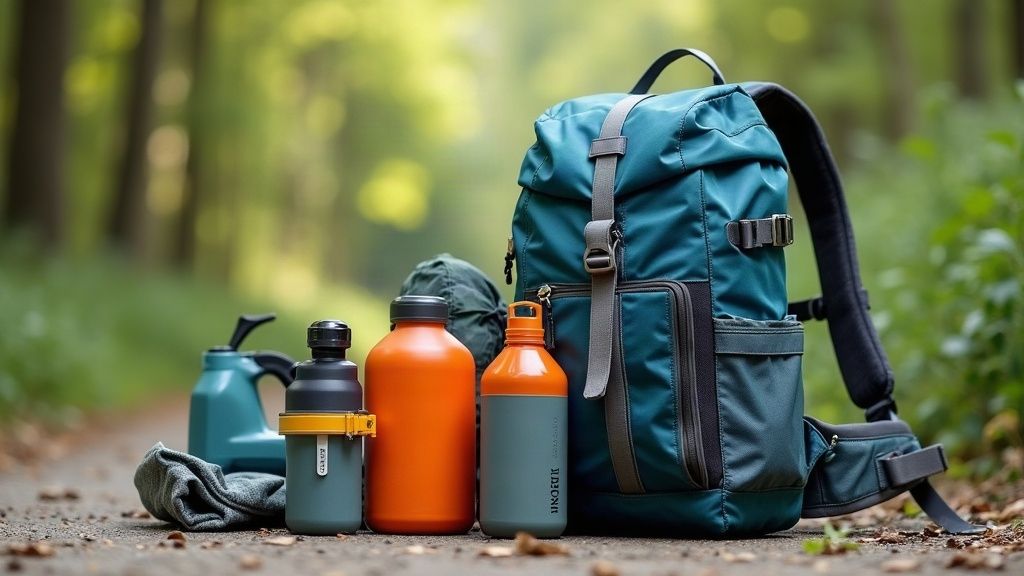
Beyond the big three, carry the safety-critical basics — the long-standing “ten essentials” framework covers them:
- Navigation (map/compass or GPS), headlamp + spare batteries, sun protection.
- First-aid kit, knife/repair tape, fire (lighter/matches).
- Extra food and water + a way to treat water (filter/tablets).
- Extra insulation layer and rain protection.
- Shelter (already covered by your tent).
These aren’t optional gadgets — they’re the “things go wrong” kit.
What do beginners really need for their first backpacking trip?
The big three (tent, sleep system, pack) plus the ten-essentials safety basics (navigation, light, first aid, water treatment, extra food/layers, fire). Food, water, and appropriate clothing round it out. That’s a complete, safe kit — everything else is a comfort or convenience add-on you can grow into.
What should I NOT buy as a beginner backpacker?
Skip the gadget pile at first: camp chairs, oversized cook systems, solar panels, specialty gizmos. They add weight and cost without deciding your trip. Spend on the big three and safety gear instead; add luxuries later once you know what you actually miss on trail.
How heavy should a beginner’s pack be?
Aim for a base weight (everything but food/water/fuel) that’s manageable — many beginners land around 20–30 lb, which is fine to start. The fastest way to lighten it is a lighter big three, not shaving grams off small items. Comfort and safety first; ultralight can come later.
Out on the trail
Buy in order: big three first (tent, sleep system, pack), then the ten-essentials safety kit, then food and clothing — and resist the gadgets until you’ve done a few trips. A beginner who nails the shelter and sleep system has a good trip; one who buys gizmos and skimps on a pad has a cold, miserable one. Check live listings for packed weight on the big-three items before you buy.