Backpacking Sleep System: Bag, Pad & Liner Explained (2026)
As an Amazon Associate I earn from qualifying purchases. Prices and availability are accurate as of the date/time indicated and are subject to change.
🔍 How this guide was put together (Editorial Standards)
This guide compares options using published manufacturer specifications, patterns in publicly visible owner reviews, and reputable expert sources. We do not operate a physical testing lab; see our how-we-research page for details.
EDITOR'S PICKS
Top Picks


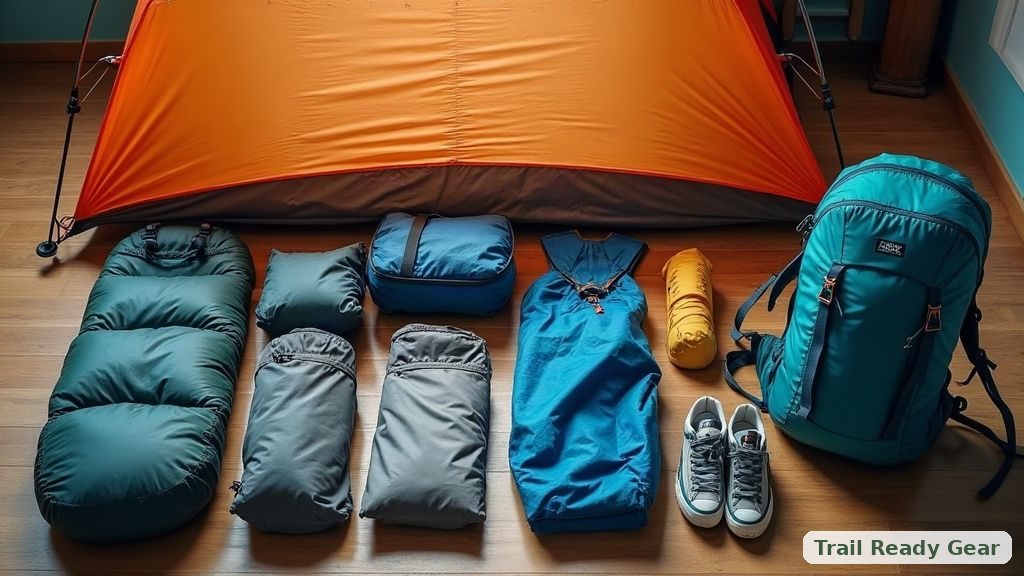
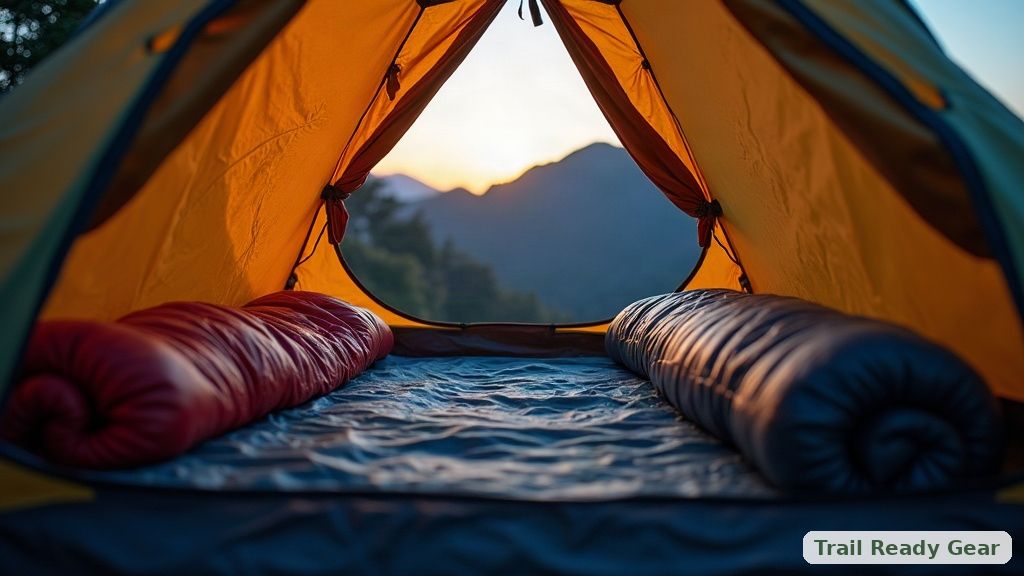
New backpackers obsess over the sleeping bag and then have a cold, miserable night anyway. The reason: warmth outdoors comes from a sleep system, not a single item. Bag, pad, and liner each do a distinct job, and the one people skip — the pad — is often the reason they’re cold. Build the system as a whole and you sleep warm; buy a great bag alone and you may not.
The three parts and what each does
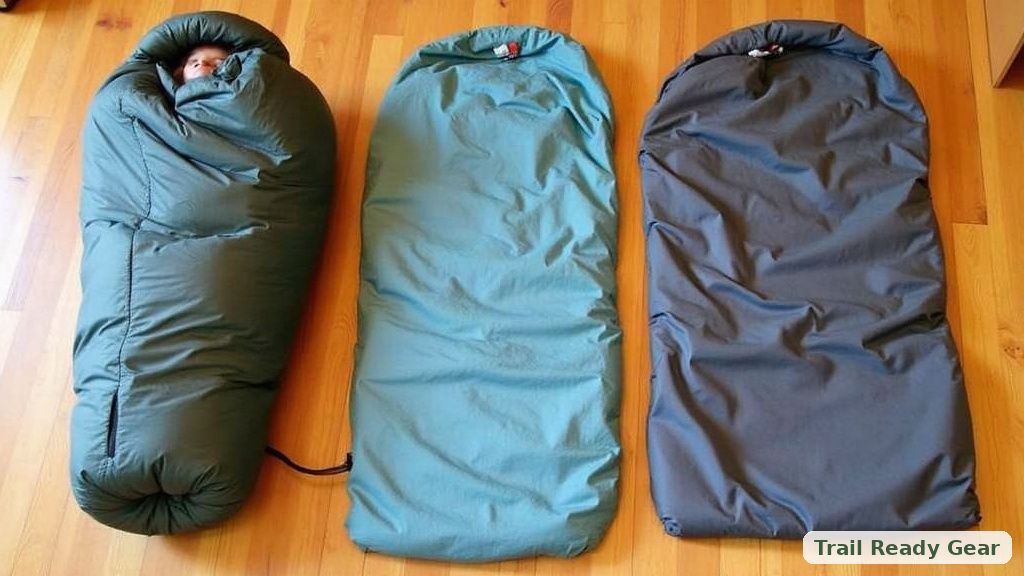
| Component | Job | Key spec |
|---|---|---|
| Sleeping bag (or quilt) | Traps warm air around you | Temperature rating |
| Sleeping pad | Blocks cold from the ground | R-value (insulation) |
| Liner | Adds warmth + keeps bag clean | Added °F of warmth |
Why does the sleeping pad matter as much as the bag?
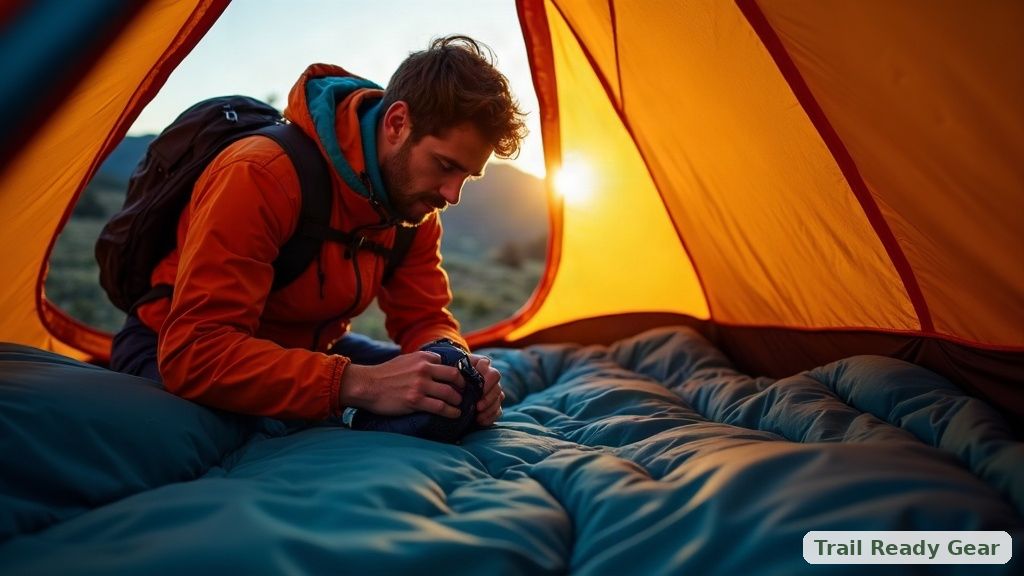
Because the ground steals heat faster than the air. When you lie down, your body weight crushes the insulation underneath you flat, so it stops trapping air — the bag can’t keep your back warm no matter its rating. The pad’s job is to put insulation between you and the ground that doesn’t compress. Its R-value measures that (now on a standardized industry test, ASTM F3340, so brands are comparable): higher = more ground insulation. As rough guidance, a summer pad is often R 1–2; three-season around R 3–4+; winter R 5+. Pairing a cold-rated bag with a thin pad is the classic beginner mistake — you’ll still freeze from below. Ratings for the bag side are covered in our sleeping bag temperature ratings guide.
How do I match the bag rating to the conditions?
Use the bag’s comfort rating (not the extreme survival number) and pick one rated a bit colder than the lowest temperature you expect. A liner then buys you a margin: liner makers claim roughly 5–15°F of added warmth (real-world gains are usually smaller and vary), and it extends a summer bag into shoulder season while keeping body oils off the bag so it lasts longer. Choosing a budget bag that’s still warm enough is its own skill — see our budget sleeping bag guide.
Does the tent affect how warm I sleep?
Yes — the shelter is part of the system. A tent traps a small pocket of warmer air and blocks wind, which strips heat fast. A properly pitched tent can feel several degrees warmer than cowboy camping in wind. Ventilation matters too, to manage condensation that can dampen (and chill) your bag. Pick the shelter with our how to choose a backpacking tent guide, and see the full beginner backpacking checklist for how the sleep system fits the rest of your kit.
How do I keep the whole system warm in practice?
- Eat and hydrate before bed — your body needs fuel to generate heat.
- Wear dry base layers; change out of sweaty clothes.
- Vent to avoid dampness; wet insulation loses warmth.
- Add a hat and dry socks — cheap warmth for the extremities.
These habits are the difference between a system that’s rated warm enough and one that actually sleeps warm; our how to stay warm backpacking guide goes deeper.
📚 Related In-Depth Analysis
- Compare findings with our guide on How To Choose A Backpacking Tent.
- Compare findings with our guide on Ultralight Backpacking Tent Guide.
📚 Related In-Depth Analysis
- Compare findings with our guide on How To Choose A Hiking Backpack.
- Compare findings with our guide on How To Wash And Store A Sleeping Bag.
🔧 Interactive Planning Tool
Need exact measurements for your setup? Use our Trail Water Weight & Filter Planning Engine to Estimate trail water carry weight and flow rate requirements per mileage.
The bottom line
A backpacking sleep system is bag + pad + liner working together: the bag traps warm air, the pad (R-value) blocks ground cold — the part most people under-buy — and the liner adds a warmth margin and protects the bag. Match the pad’s R-value and the bag’s comfort rating to your coldest expected night, pitch a proper shelter, and layer smart. Build the system, not just the bag, and you’ll actually sleep warm out there.