How to Choose a Hiking Backpack: Size, Fit, and Features That Matter (2026)
As an Amazon Associate I earn from qualifying purchases. Prices and availability are accurate as of the date/time indicated and are subject to change.
🔍 How this guide was put together (Editorial Standards)
This guide compares options using published manufacturer specifications, patterns in publicly visible owner reviews, and reputable expert sources. We do not operate a physical testing lab; see our how-we-research page for details.
EDITOR'S PICKS
Top Picks

The backpack is the one piece of gear you feel on every single step, so getting it wrong is uniquely miserable — a pack that’s the wrong size or badly fitted turns a great hike into a shoulder- and-back ordeal. And here’s the key insight most beginners miss: fit matters more than capacity or brand. A perfectly-sized pack that doesn’t fit your torso will still hurt. Here’s how to choose both right.
Step 1: capacity for your trip length
Match liters to how long you’re out and how compact your other gear is:
- Day hikes: 15–30L — water, snacks, layers, essentials.
- Overnight / weekend (1–2 nights): 30–50L — adds shelter, sleep system, food.
- Multi-day (3+ nights): 50–70L+ — more food and capacity.
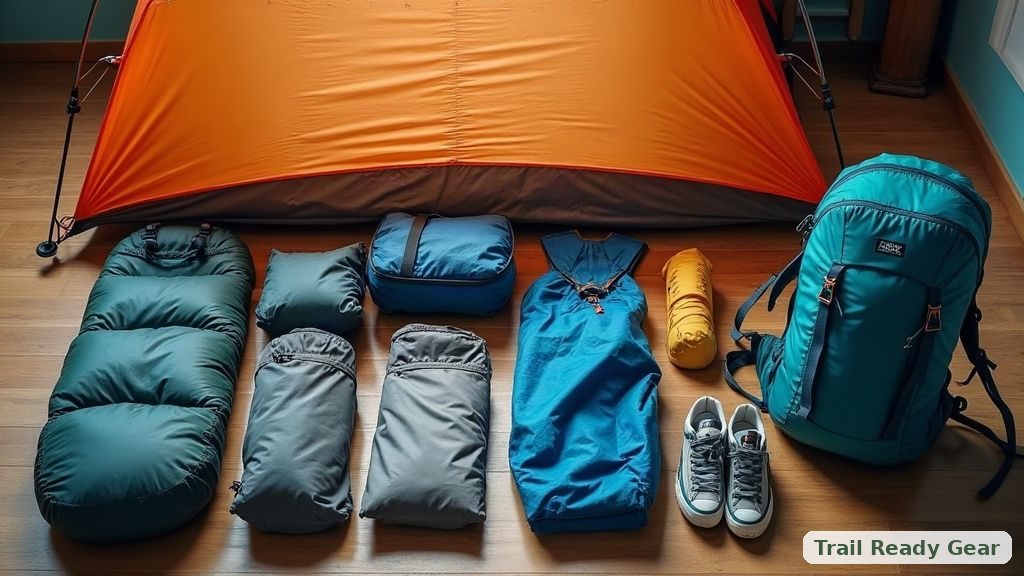
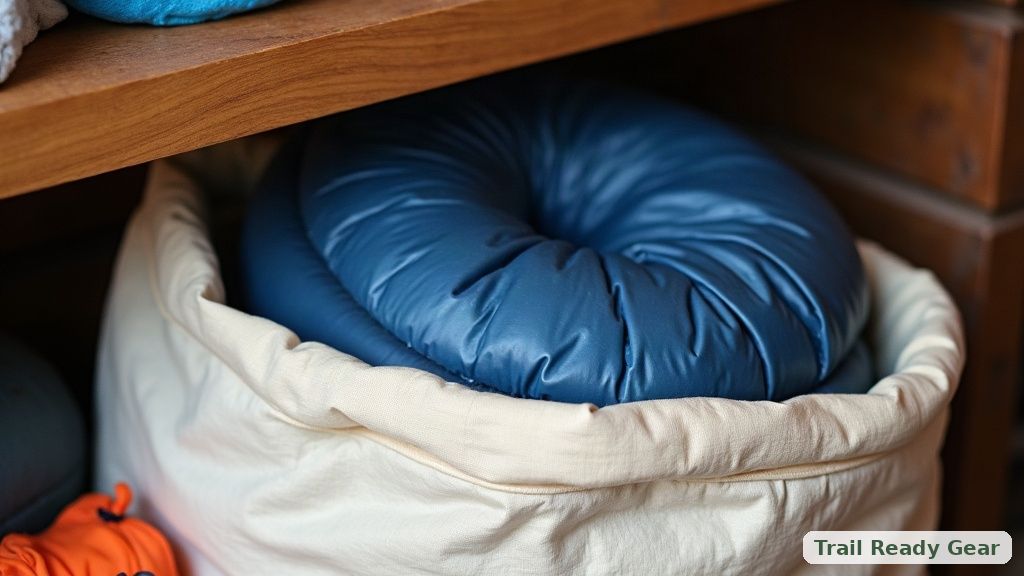
A big lever: lighter, more compact gear lets you carry a smaller pack. A packable tent (like the Naturehike Mongar) and a compressible sleeping bag shrink what you need to haul — see our tent and sleeping bag guides.
Step 2: fit is everything (torso length, not height)
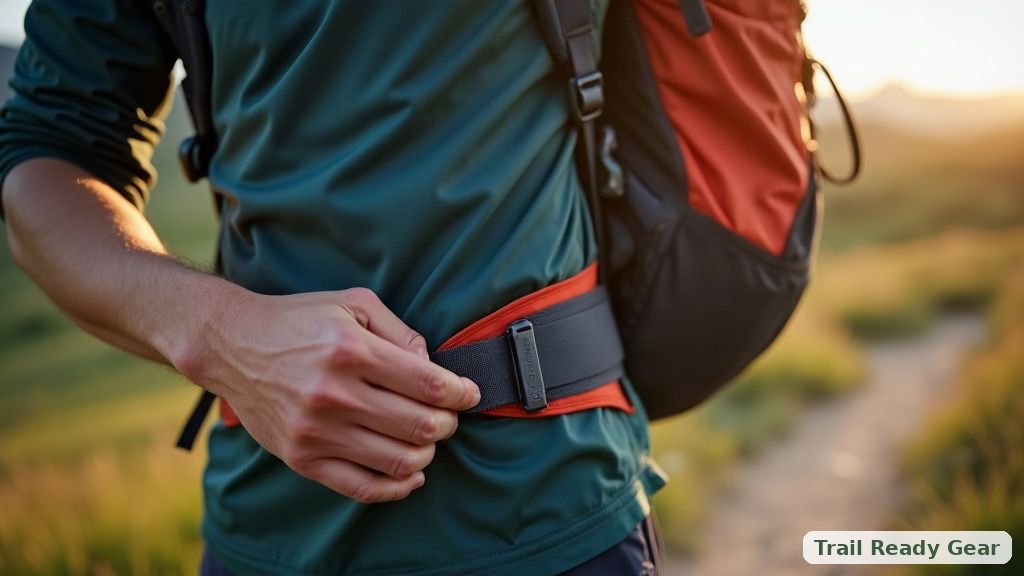
Packs are sized by torso length, not your height — measure from the C7 vertebra (base of neck) to the top of your hip bones. Then fit it loaded:
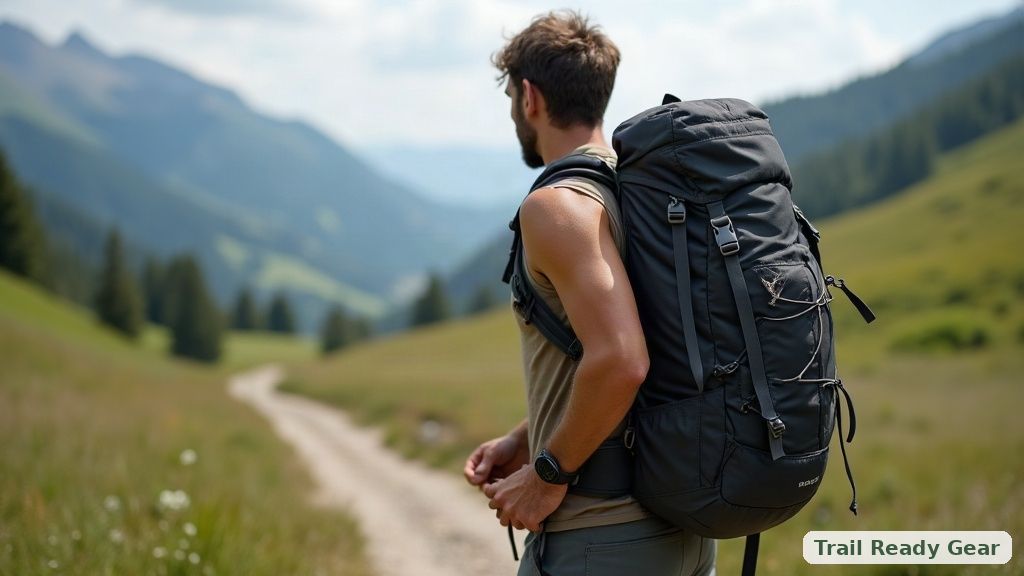
- The hip belt carries the weight — it should sit on top of your hip bones and bear ~80% of the load. Shoulders stabilize; they don’t carry.
- Snug shoulder straps with load-lifter straps angling back toward the pack.
- Adjustable/interchangeable back panels on many packs let you dial torso length.
- Try it with weight in it — an empty pack feels fine; a loaded one reveals the truth.
What size hiking backpack do I need?
By trip length: 15–30L day, 30–50L overnight/weekend, 50–70L+ multi-day. But your gear’s bulk matters — lighter, more compact tent/sleep gear lets you size down. Don’t over-buy capacity “to be safe”; a bigger pack invites overpacking and extra weight. Match liters to nights out.
How should a hiking backpack fit?
The hip belt should rest on your hip bones and carry most of the weight; shoulder straps snug but not load-bearing; the pack sized to your torso length (not height). Always test it loaded — walk around with weight in it. A well-fitted pack feels like the weight sits on your hips, not dragging your shoulders.
How do I measure my torso for a backpack?
Measure from the C7 vertebra (the bony bump at the base of your neck when you tilt your head down) to the point on your lower back level with the top of your hip bones. That length — not your height — determines your pack size. Many packs have adjustable suspensions to fine-tune it.
Does an expensive backpack matter?
Up to a point — better suspension, materials, and fit adjustability are worth it for heavy or frequent loads. But a well-fitted mid-range pack beats a pricey one that fits poorly. Spend on fit and comfort features (hip belt, adjustable torso), not logos. Pair it with the rest of your kit via our beginner backpacking checklist.
📚 Related In-Depth Analysis
- Compare findings with our guide on What To Eat Day Hike.
- Compare findings with our guide on Best 2 Person Backpacking Tent.
📚 Related In-Depth Analysis
- Compare findings with our guide on What To Eat Day Hike.
- Compare findings with our guide on Ultralight Backpacking Water Filter.
🔧 Interactive Planning Tool
Need exact measurements for your setup? Use our Trail Water Weight & Filter Planning Engine to Estimate trail water carry weight and flow rate requirements per mileage.
The pack that disappears
Pick capacity for your trip length (15–30/30–50/50–70L+), but obsess over fit: size to torso length, load the hip belt, and always try it with weight. Lighter gear lets you carry less pack. A well-fitted pack disappears on your back; a bad one is all you’ll think about. Dial in the rest of your setup with our tent and stay-warm guides.