Hiking Water Filter vs Purifier: Which Do You Need on the Trail? (2026)
As an Amazon Associate I earn from qualifying purchases. Prices and availability are accurate as of the date/time indicated and are subject to change.
🔍 How this guide was put together (Editorial Standards)
This guide compares options using published manufacturer specifications, patterns in publicly visible owner reviews, and reputable expert sources. We do not operate a physical testing lab; see our how-we-research page for details.
EDITOR'S PICKS
Top Picks

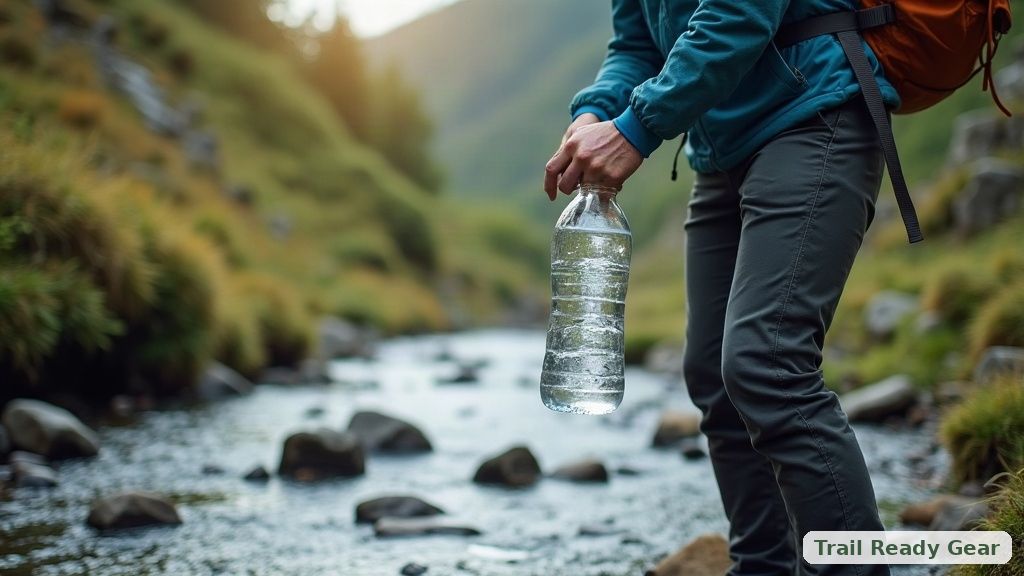
“Filter” and “purifier” get used interchangeably, but they mean different things — and the difference decides whether your water is actually safe where you’re hiking. The short version: a filter stops bacteria and protozoa (the usual backcountry threats), while a purifier also stops viruses, which matter mainly outside pristine wilderness. For most backpacking in North American/European backcountry a filter is enough; travel abroad or sketchy water sources call for a purifier. Here’s how to choose.
The key difference: what each stops
- Water filter: physically strains out bacteria (E. coli, etc.) and protozoa (Giardia, Cryptosporidium) — the main risks in wilderness streams and lakes. Does not remove viruses.
- Purifier: removes or neutralizes viruses too (via chemicals, UV, or ultra-fine filtration). Needed where human/animal contamination makes viruses a real risk.
For clean-looking mountain water in low-population wilderness, viruses are a low risk, so a filter usually covers it. In developing regions, near farms/towns, or with questionable sources, a purifier is the safer call.
How to choose for your trip
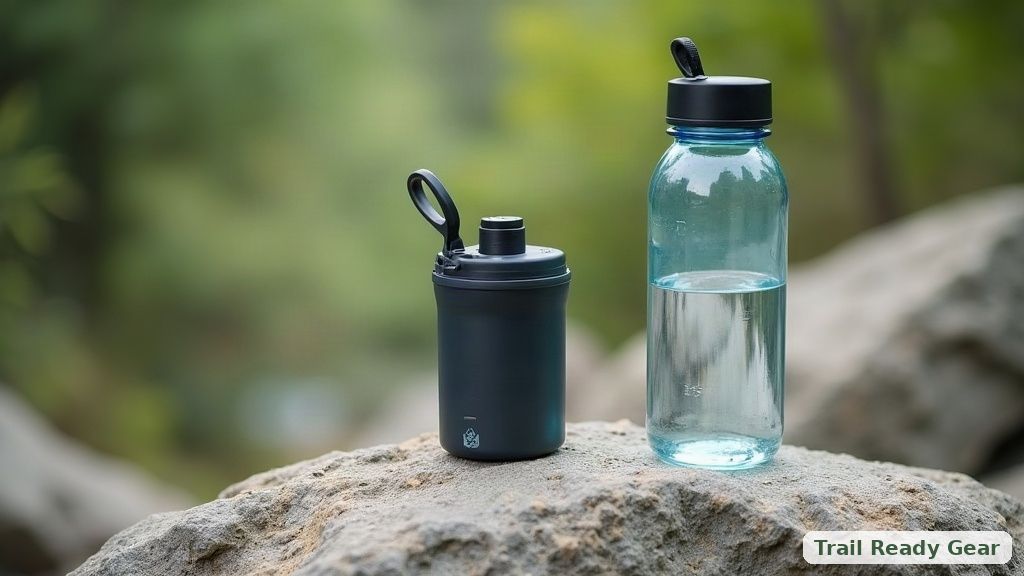
- Backpacking in remote wilderness (typical US/EU trails): a filter (hollow-fiber squeeze or pump) is light, fast, and enough. Pack it with the rest of your kit — see our beginner backpacking checklist.
- International travel, near towns/agriculture, or unknown water: a purifier (UV, chemical, or purifier-rated filter) to cover viruses.
- Belt and suspenders: a filter plus chemical tablets as backup covers viruses cheaply when needed.
- Cold-weather trips: keep the filter from freezing (a wet filter that freezes can crack and fail) — relevant alongside staying warm backpacking.
Do I need a water filter or purifier for hiking?
For most wilderness backpacking, a filter is enough — it removes the bacteria and protozoa that are the real backcountry threats. Choose a purifier if you’ll drink water that may carry viruses (international travel, near towns/farms, questionable sources). Match the tool to where your water comes from.
What’s the difference between a water filter and purifier?
A filter removes bacteria and protozoa; a purifier also removes/neutralizes viruses. Purifiers cover more threats but are often heavier, slower, or need chemicals/UV. Filters are lighter and simpler and handle typical wilderness water. The virus question is the deciding line.
Can you get sick from filtered stream water?
Rarely, if the filter is rated for bacteria/protozoa and used correctly — those are the main wilderness risks. The gap is viruses, which a filter won’t stop; in low-population wilderness that’s a low risk, but near human/animal activity it isn’t. When in doubt, add a purifier or tablets.
Is a squeeze filter or pump filter better?
Squeeze/hollow-fiber filters are light, cheap, and popular for solo/small trips; pump filters handle shallow/murky sources and larger groups but weigh more. For most beginners, a squeeze filter is the easiest start. Round out the rest of your setup with our tent and backpack guides.
📚 Related In-Depth Analysis
- Compare findings with our guide on Backpacking Checklist Beginners.
- Compare findings with our guide on Lightweight Camp Chairs.
📚 Related In-Depth Analysis
- Compare findings with our guide on Best 2 Person Backpacking Tent.
- Compare findings with our guide on Backpacking Checklist Beginners.
🔧 Interactive Planning Tool
Need exact measurements for your setup? Use our Trail Water Weight & Filter Planning Engine to Estimate trail water carry weight and flow rate requirements per mileage.
Pick your protection
A filter stops bacteria and protozoa and is enough for most wilderness backpacking; a purifier adds virus protection for travel abroad or water near people and animals. Decide by where your water comes from — clean wilderness = filter, questionable/populated sources = purifier (or filter + tablets). Then pack it with the rest of your kit via our beginner checklist.