Lightweight Camp Chairs: Comfort vs Pack Weight (2026)
As an Amazon Associate I earn from qualifying purchases. Prices and availability are accurate as of the date/time indicated and are subject to change.
🔍 How this guide was put together (Editorial Standards)
This guide compares options using published manufacturer specifications, patterns in publicly visible owner reviews, and reputable expert sources. We do not operate a physical testing lab; see our how-we-research page for details.
EDITOR'S PICKS
Top Picks
TOP PICK

RUNNER-UP


📑 Table of contents
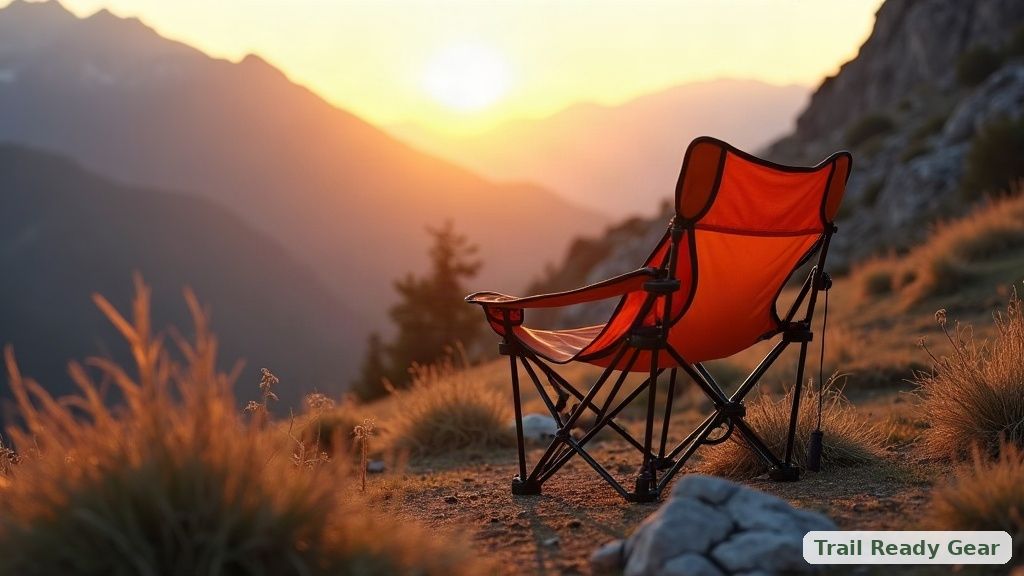
A camp chair is the clearest example of the backpacker’s core trade-off: pure comfort versus pure weight. Nobody needs a chair on trail — the ground works — but after 15 miles, a real backrest is the difference between a restorative evening and stiffening up against a rock. The question isn’t whether a chair is nice; it’s whether this chair’s comfort is worth its grams in your specific pack. Here’s how to run that math honestly.
The weight-to-comfort ladder
Lightweight camp chairs fall into three tiers, and each cuts something to hit its weight:
- Ultralight tripod/stool (~1 lb / 450 g): three legs, no backrest. Gets you off the ground and nothing more. Lightest option; comfort is minimal.
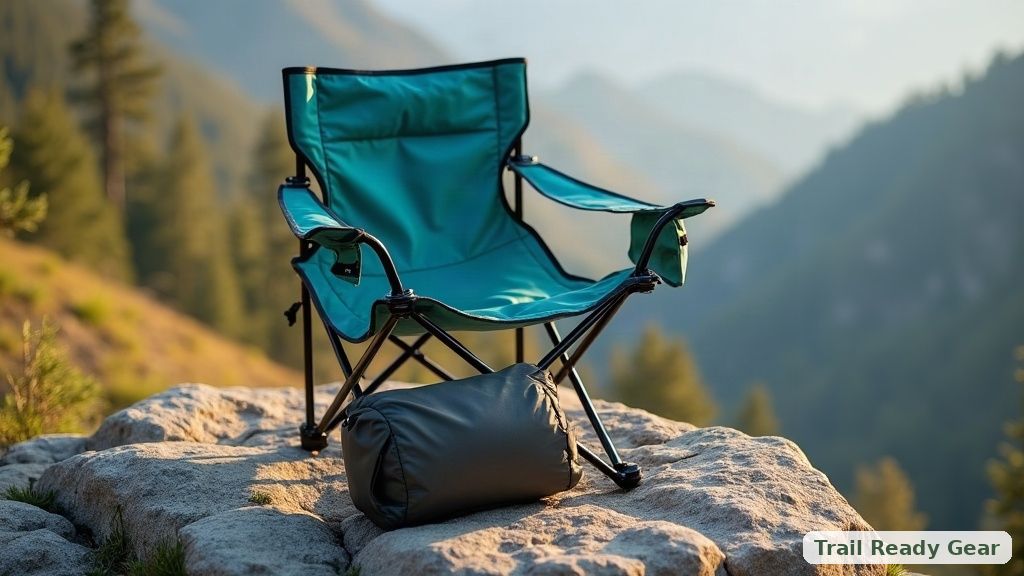
- Packable backed chair (~2 lb / 900 g): a real backrest on a shock-corded frame. The sweet spot for most backpackers — genuine relief for roughly a pound more than a stool.
- Comfort chair (~2.5–3 lb / 1.3 kg): wider seat, higher back, sometimes a headrest. Great for car-camping-adjacent trips, heavy for serious backpacking.
Where ultralight chairs cut corners
Leg sink. The lightest chairs use tiny feet that punch into soft ground — grass, sand, duff — dumping you backward. A chair meant for trail should include wide feet or ball feet, or you’ll be hunting for flat rock every night.
Frame durability. Ultralight aluminum poles and thin shock cord are the first things to fail. A snapped pole 8 miles in is a chair you now carry as dead weight. Check the pole diameter and whether replacement shock cord is available.
Seat height. Sub-pound chairs often sit just 6–10 inches off the ground — easy to drop into, genuinely hard to get out of after a long day. Mid-tier chairs sit higher and are kinder to tired knees.
Is a camp chair worth the weight in a backpacking kit?
Run the numbers against your base weight. If your base weight is already 12–15 lb, a 2 lb chair is a 13–17% add — significant. If you’re at 25 lb and comfort-oriented, the same chair is under 10% and easily justified. The chair is usually the last luxury item to add after your shelter, sleep system, and safety gear are dialed.
Chair, or repurpose gear you already carry?
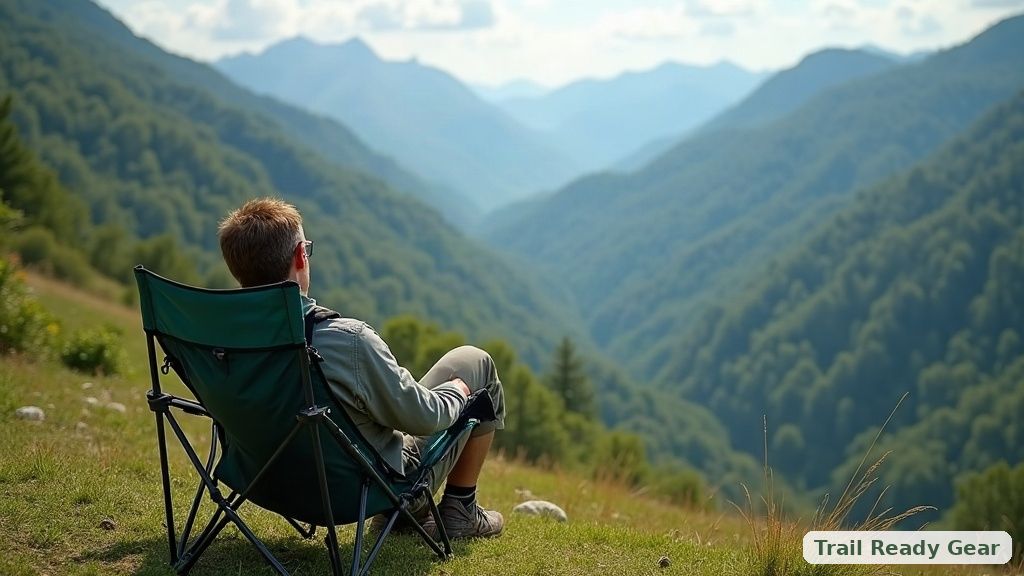
The lightest “chair” weighs nothing because you already packed it. An inflatable sleeping pad against a log, or a foam pad folded into a Z-seat, gives you a backrest for zero extra grams. Many ultralight hikers skip the dedicated chair entirely and use pad-plus-log — worth trying before you commit the weight. See how it fits your load in our how to pack a backpacking backpack guide and the beginner checklist.
📚 Related In-Depth Analysis
- Compare findings with our guide on Sleeping Bag Temperature Ratings.
- Compare findings with our guide on What To Eat Day Hike.
📚 Related In-Depth Analysis
- Compare findings with our guide on How To Choose A Hiking Backpack.
- Compare findings with our guide on Ultralight Backpacking Water Filter.
🔧 Interactive Planning Tool
Need exact measurements for your setup? Use our Trail Water Weight & Filter Planning Engine to Estimate trail water carry weight and flow rate requirements per mileage.
Bottom line
A lightweight camp chair is a luxury, and that’s fine — just buy it as one. For most backpackers the ~2 lb backed chair is the honest sweet spot; ultralight stools save weight but give little back, and comfort chairs belong on shorter, lighter-mileage trips. Weigh it against your base weight, and if the grams don’t fit, a pad against a log is the chair that costs nothing.