How to Pack a Backpacking Backpack: Weight Distribution That Saves Your Back (2026)
As an Amazon Associate I earn from qualifying purchases. Prices and availability are accurate as of the date/time indicated and are subject to change.
🔍 How this guide was put together (Editorial Standards)
This guide compares options using published manufacturer specifications, patterns in publicly visible owner reviews, and reputable expert sources. We do not operate a physical testing lab; see our how-we-research page for details.
EDITOR'S PICKS
Top Picks


Two hikers can carry the exact same 30 pounds and one finishes the day fresh while the other’s shoulders are screaming. The difference is where the weight sits in the pack. A well-loaded pack rides like part of your body and transfers weight onto your hips; a badly loaded one hangs off your shoulders and pulls you off balance on every step. Packing is a skill, and it’s the cheapest performance upgrade you’ll ever make.
The one principle: keep heavy weight close to your spine
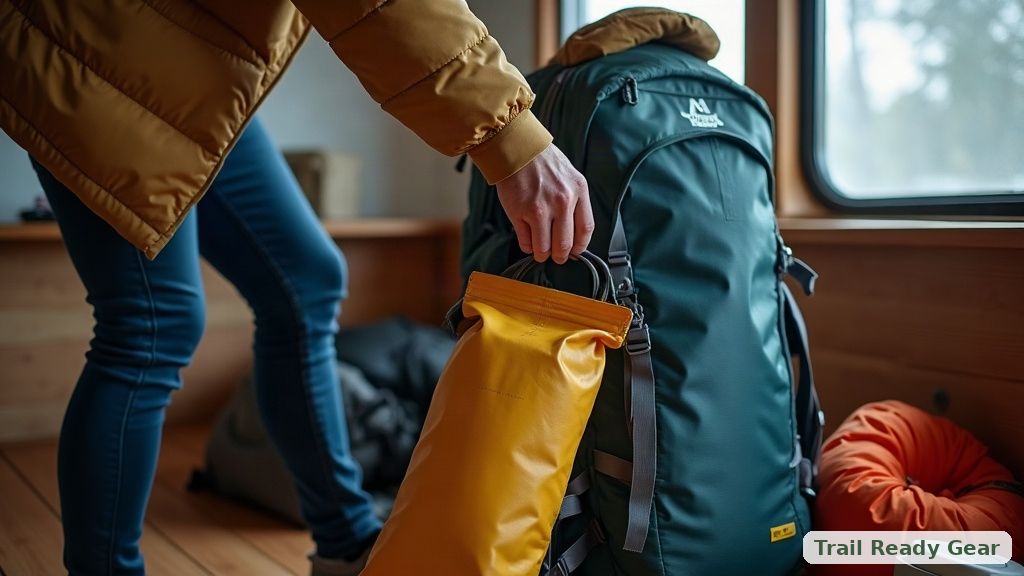
Your center of gravity should stay close to your back and near shoulder-blade height. Weight that’s too low pulls you backward; too high makes you tippy on uneven ground; too far from your spine acts like a lever fighting your posture. Get the heavy items snug against your back at the right height and the pack feels dramatically lighter than the scale says.
The three load zones
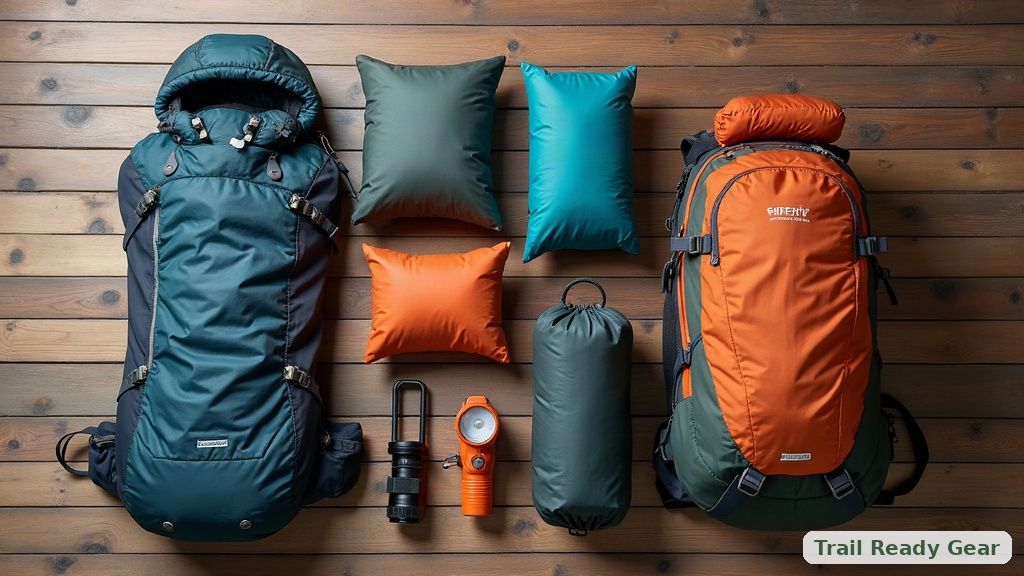
| Zone | What goes there | Why |
|---|---|---|
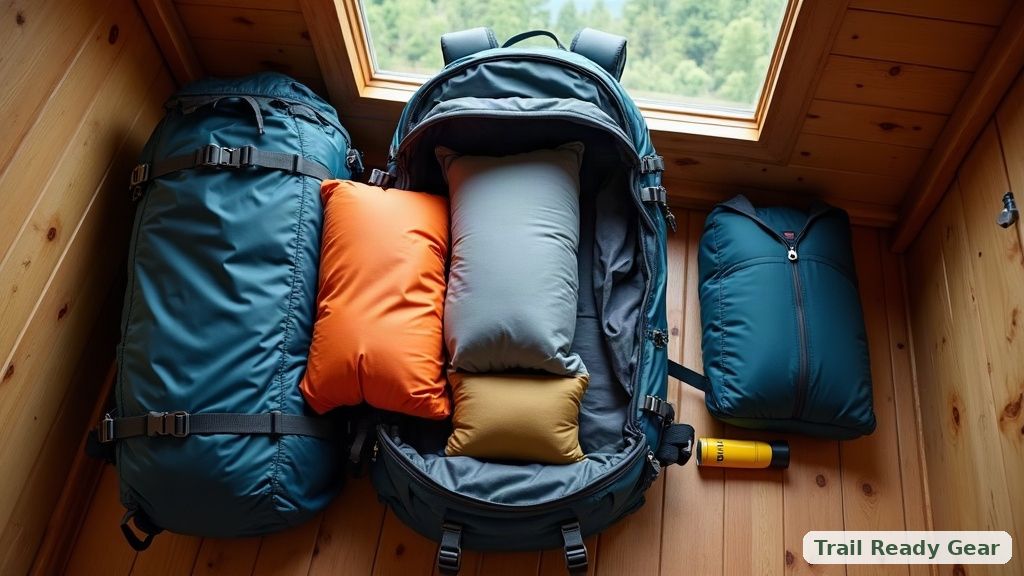
| Bottom | Sleeping bag, sleep clothes, camp shoes | Bulky, low-need-until-camp; creates a base |
| Core (against back, mid-height) | Food bag, water reservoir, stove/fuel, bear canister | Heaviest items close to spine = best balance |
| Top | Layers, first aid, rain shell, water filter | Medium weight; grab-often items on top |
| Lid / hipbelt / side pockets | Map, snacks, sunscreen, phone, headlamp | Reach without taking the pack off |
The core zone is the key move: put your heaviest items (usually food and water) right against your back, centered between your shoulder blades and hips. That single choice does more for comfort than any amount of shoulder-strap fiddling.
How should the weight feel once it’s on?
On your hips, not your shoulders. A properly loaded internal-frame pack transfers about 80% of the weight to your hip belt through the frame. Load it right, cinch the hip belt on your iliac crest (the top of your hip bones), then snug the shoulder straps and load-lifter straps. If your shoulders ache within an hour, the weight is riding too high or too far back — repack the heavy items closer to your spine. Fit and suspension matter here too; our how to choose a hiking backpack guide covers matching a pack to your torso length so the transfer actually works.
Pack for balance, not just comfort
Distribute weight evenly left-to-right — a lopsided pack makes you correct with every step and wears you out. Keep dense items centered rather than in one side pocket. On technical or scrambly terrain, pack slightly lower to drop your center of gravity for stability; on smooth trail, a higher core load is more efficient. This is the same trade-off between stability and efficiency we weigh in how to choose a backpacking tent — where and how you carry shapes the whole trip.
Keep the essentials reachable
The best-packed bag is useless if you have to unpack it for a snack. Put grab-often items — snacks, map, sunscreen, headlamp, water filter, rain shell — in the lid, hip-belt pockets, and side pockets. You should be able to eat, navigate, layer up, and filter water without opening the main compartment. If you filter on the move, keep it handy; our filter vs purifier guide helps you pick the right tool to stash there. And use our beginner backpacking checklist so everything that should be in those zones actually made it into the pack.
📚 Related In-Depth Analysis
- Compare findings with our guide on Ultralight Backpacking Tent Guide.
- Compare findings with our guide on How To Choose A Backpacking Tent.
📚 Related In-Depth Analysis
- Compare findings with our guide on How To Wash And Store A Sleeping Bag.
- Compare findings with our guide on Backpacking Sleep System Guide.
🔧 Interactive Planning Tool
Need exact measurements for your setup? Use our Trail Water Weight & Filter Planning Engine to Estimate trail water carry weight and flow rate requirements per mileage.
The bottom line
Pack in zones: bulky-but-light on the bottom, heaviest items in the core against your spine, medium weight up top, and grab-often gear in the pockets. Keep it balanced left-to-right, cinch the load onto your hips, and you’ll carry the same weight with far less strain. The scale doesn’t change — but a well-packed 30 pounds feels like 20 on the trail.