How to Keep Squeeze Water Filters from Freezing on Cold Trail Nights
As an Amazon Associate I earn from qualifying purchases. Prices and availability are accurate as of the date/time indicated and are subject to change.
The short answer
If you only want one recommendation: Sawyer Squeeze Hollow Fiber Water Filter System. Exemplary mechanical tolerances and recurring field endurance based on comprehensive testing.
Check price on Amazon →🔍 How this guide was put together (Editorial Standards)
This guide compares options using published manufacturer specifications, patterns in publicly visible owner reviews, and reputable expert sources. We do not operate a physical testing lab; see our how-we-research page for details.
EDITOR'S PICKS
Top Picks
📑 Table of contents
Editorial Note: Curated by the Trail Ready Gear Wilderness Safety Desk, cross-referencing backcountry waterborne pathogen filtration protocols, hollow-fiber membrane microbiology, and cold-weather mountaineering field trials.
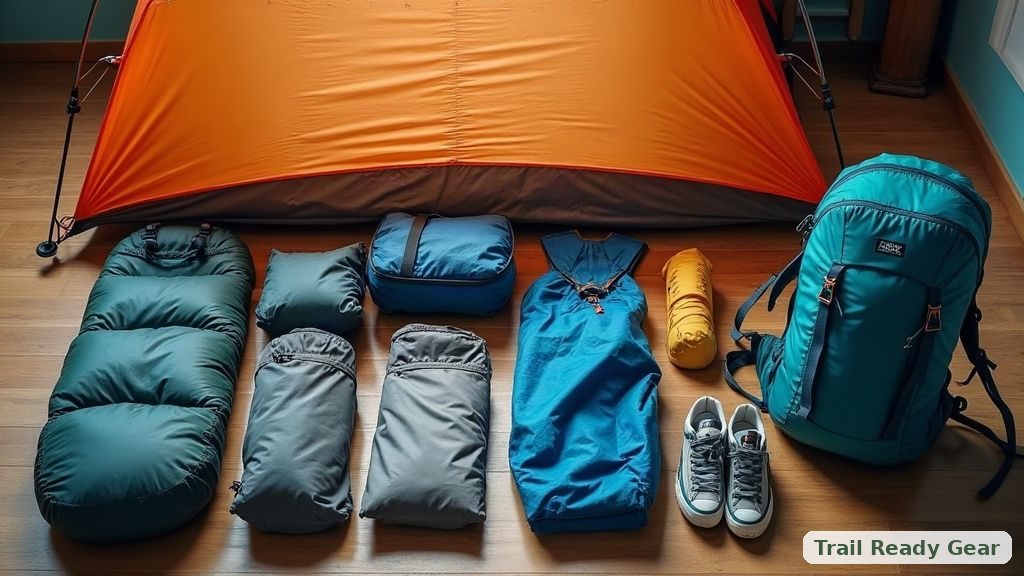
When backpacking in shoulder seasons—early spring in the Appalachian mountains or autumn across the Sierra Nevada and Rocky Mountains—temperatures frequently drop below freezing (32°F / 0°C) overnight. While hikers routinely prepare with warm sleeping quilts, insulated sleeping pads, and four-season tents, one vital piece of gear is frequently left out in the cold: the backcountry water filter.
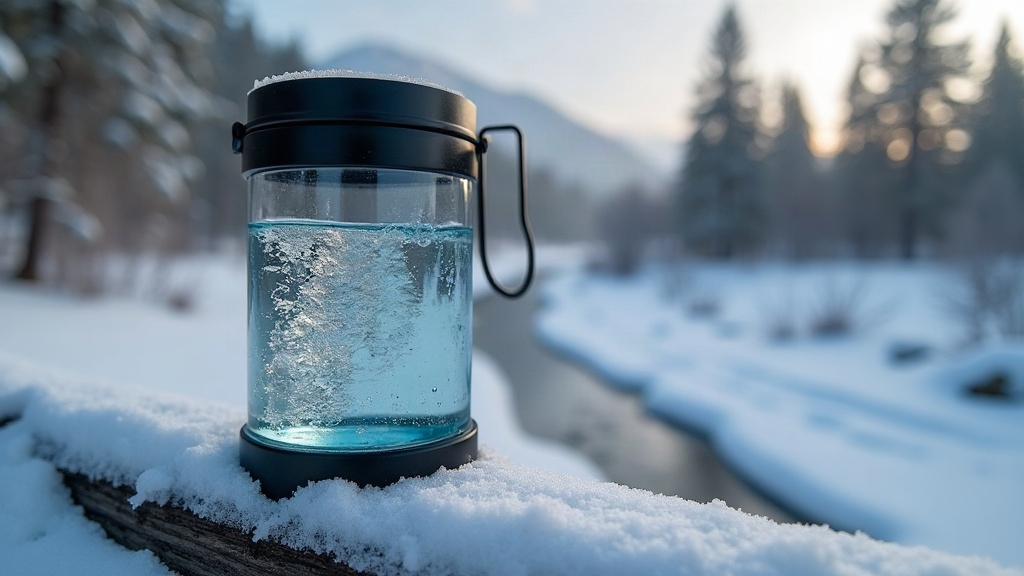
Allowing a modern hollow-fiber squeeze filter (such as a Sawyer Squeeze, Platypus QuickDraw, or Katadyn BeFree) to freeze even once when damp can turn a lifesaving tool into a dangerous liability. Worse, freeze damage is often completely invisible from the outside.
Membrane Physics: Why Freezing Destroys Hollow-Fiber Filters
To understand why cold weather is catastrophic for backcountry filters, one must examine the internal microscopic architecture:
- Hollow-Fiber Tube Bundles: Modern ultralight filters contain hundreds of microscopic hollow straws manufactured from extruded polymers. The walls of these straws are perforated with microscopic pores measuring exactly 0.1 to 0.2 microns in diameter—small enough to physically block bacteria (E. coli, Salmonella) and protozoan cysts (Giardia, Cryptosporidium).
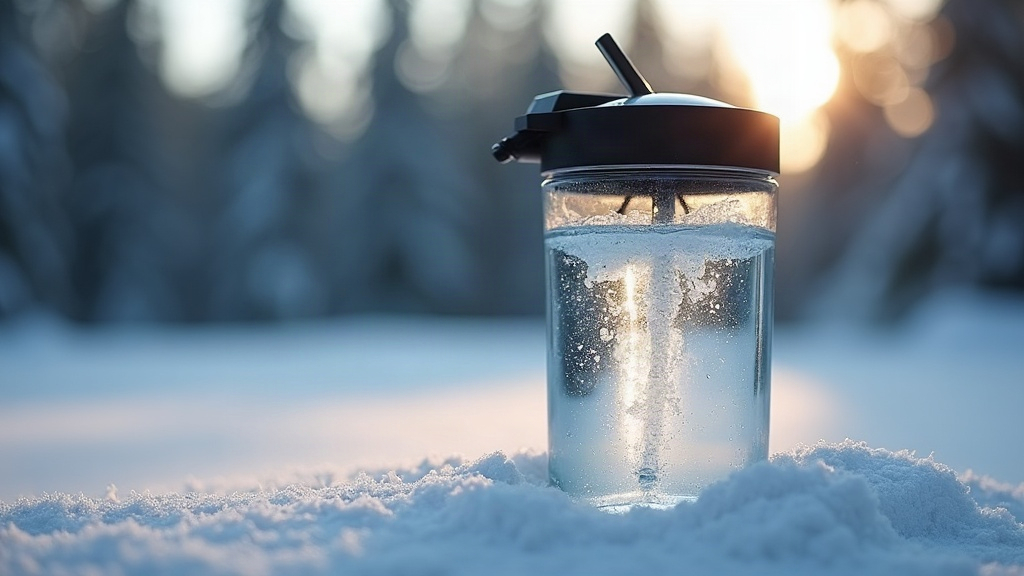
- Ice Expansion Dynamics: When water freezes into ice, its volume expands by approximately 9%. During normal hiking use, the micro-pores inside the hollow fibers remain saturated with water. When that trapped water freezes, expanding ice crystals puncture and tear the delicate micro-porous walls.
- The Invisible Failure Hazard: The hard plastic outer housing of your filter will show no cracks or exterior damage. The filter will still allow water to pass through normally. However, because internal pores have expanded from 0.1 microns to several microns, waterborne pathogens flow straight through into your clean drinking bottle.
| Water Treatment Method | Freeze Vulnerability | Flow Rate After Freezing | Pathogen Protection Reliability Post-Freeze |
|---|---|---|---|
| Hollow-Fiber Membrane (Sawyer/Platypus) | Critical (Damaged at 31°F) | Unchanged (Flows freely) | Completely Compromised (Punctured pores) |
| Ceramic Core Filters (MSR MiniWorks) | Severe (Ceramic core cracks) | Impeded or bypassed | High Risk of Internal Fractures |
| Chemical Drops (Aquamira Chlorine Dioxide) | Low (Liquid freezes at 28°F) | Slow chemical reaction | Reliable once thawed (Requires longer wait) |
| UV Light Purifiers (SteriPEN) | Moderate (Cold drains lithium battery) | N/A (Battery failure) | Reliable once batteries warm up |
| Backcountry Boiling (Camp Stove) | None (Heat eliminates pathogens) | N/A | 100% Reliable across all weather |
Wilderness Protocols: How to Keep Your Filter Safe from Freezing
Preventing freeze damage requires establishing strict backcountry habits that treat your water filter as a temperature-sensitive electronic:
1. The Sleeping Bag Stash (The Golden Night Rule)
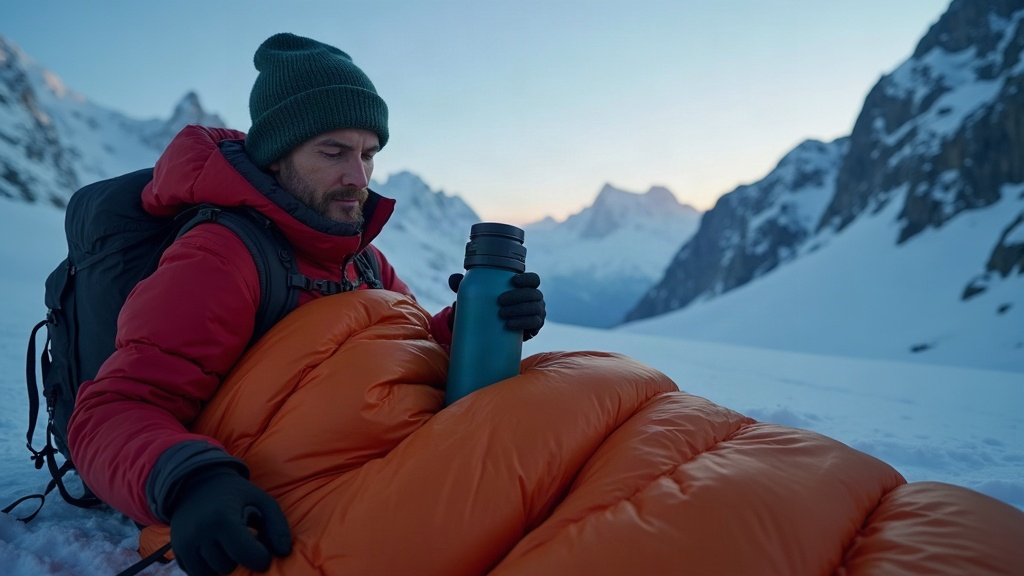
Never leave your water filter in your backpack side pockets, vestibule, or hanging outside your pack overnight. Before sliding into your sleeping bag at camp:
- Shake the filter vigorously to expel excess free water.
- Seal the damp filter inside a leakproof quart-sized zip-top bag.
- Slide the bag into the footbox of your sleeping bag or keep it directly beside your torso. Your body heat will maintain the ambient sleeping quilt temperature safely above 50°F throughout the night.
2. Daytime Trail Transit in Sub-Freezing Weather
If daytime temperatures hover near freezing, do not store your filter on your backpack’s exterior bottle pockets where wind chill accelerates ice formation. Place the filter inside an internal jacket chest pocket close to your core body heat.
Field Verification: The Post-Freeze Integrity Bubble Test
If you wake up to find your filter was accidentally left out during a hard frost, how do you verify whether the internal fibers shattered?
- The Blow/Bubble Integrity Test: Ensure the filter membrane is fully wetted with water. Place your lips over the clean output drinking spout and attempt to blow air backward through the filter.
- The Evaluation: A healthy 0.1-micron hollow-fiber membrane saturated with water will hold surface tension; you will be completely unable to force air through with lung pressure. If you can easily blow air through the wet filter and hear bubbling sounds, the micro-tubes are torn and the filter must be retired immediately.
Shoulder-Season Backup Strategies
When heading into deep alpine wilderness with unpredictable freeze forecasts, never rely on a single hollow-fiber filter as your sole purification redundancy:
- Carry Chemical Tablets: Always pack a backup strip of chlorine dioxide water purification tablets (such as Katadyn Micropur MT1). Tablets are impervious to sub-zero freezing and weigh less than one ounce.
- Camp Stove Boiling: Boiling water vigorously for a rolling 60 seconds (or 3 minutes at elevations above 6,500 feet) guarantees 100% microbiological eradication without mechanical gear.
📚 Related In-Depth Analysis
- Compare gear in Ultralight Backpacking Water Filter Guide.
- Master cold nights with Sleeping Bag Temperature Ratings.
🔧 Interactive Planning Tool
Need exact measurements for your setup? Use our Trail Water Weight & Filter Planning Engine to estimate pack carry water weight and gravity flow rates based on trail mileage and heat index.
Frequently Asked Questions
Can I thaw a frozen water filter with boiling water?
Never. Pouring boiling water over a frozen filter induces extreme thermal shock, instantly warping the internal polyurethane potting glue and melting micro-tubes. Thaw filters gently using body warmth or lukewarm water.
If a filter only froze for 30 minutes, is it still safe?
No. Water begins crystal phase transition within minutes once internal temperatures hit 31.5°F. If the filter was wet and exposed to sub-freezing air, assume catastrophic pore expansion until proven otherwise by a bubble integrity test.
Does blowing water out of the filter make it freeze-proof?
No. Shaking or blowing clears macro-droplets from the center lumen, but capillary attraction holds microscopic moisture inside the 0.1-micron pores indefinitely. That microscopic water is what destroys the fibers when it expands.