Winter Backpacking Gear Checklist: Surviving Sub-Zero Wilderness Nights
As an Amazon Associate I earn from qualifying purchases. Prices and availability are accurate as of the date/time indicated and are subject to change.
The short answer
If you only want one recommendation: Therm-a-Rest NeoAir XTherm NXT Insulated Sleeping Pad. Industry-leading 7.3 R-value insulation that completely blocks ground frost conduction in sub-zero alpine conditions.
Check price on Amazon →🔍 How this guide was put together (Editorial Standards)
This guide compares options using published manufacturer specifications, patterns in publicly visible owner reviews, and reputable expert sources. We do not operate a physical testing lab; see our how-we-research page for details.
EDITOR'S PICKS
Top Picks
TOP PICK
RUNNER-UP
BEST VALUE
Essential Winter Backpacking Gear Checklist
When preparing for winter backpacking, especially in sub-zero temperatures, your gear selection is critical. The right equipment not only enhances comfort but is essential for survival. Below is a comprehensive checklist focusing on thermal barriers and other gear necessary for surviving freezing wilderness nights.
1. Insulated Sleeping Pads
A quality sleeping pad is crucial for insulation from the cold ground. The R-value indicates the pad’s thermal resistance; an R-value of 5 or higher is recommended for extreme cold conditions.
Specifications and Recommendations
| Pad Model | R-Value | Weight (lbs) | Dimensions (in) | Material | Price |
|---|---|---|---|---|---|
| Therm-a-Rest NeoAir XTherm | 6.9 | 1.5 | 72 x 20 | 30D Nylon | $249.95 |
| Sea to Summit Ether Light XT | 4.2 | 1.3 | 72 x 20 | 20D Nylon | $199.00 |
| Exped DownMat 9 | 8.0 | 3.3 | 72 x 20 | 30D Polyester | $339.00 |
Therm-a-Rest NeoAir XTherm is a top choice due to its high R-value and lightweight design, making it perfect for sub-zero conditions. The Exped DownMat 9, while heavier, offers exceptional insulation with down filling.
2. Down Sleeping Bags and Quilts
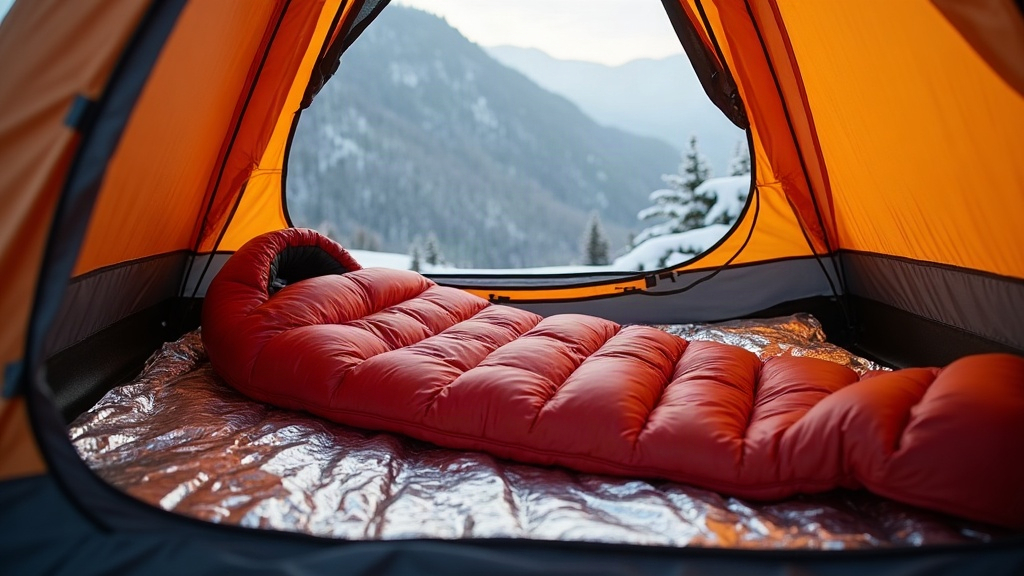
The sleeping bag or quilt you choose plays a significant role in your thermal comfort. For sub-zero temperatures, a zero-degree down sleeping bag or quilt is highly recommended. Down insulation is lightweight and compressible, making it ideal for backpacking.
Specifications and Recommendations
| Sleeping Bag/Quilt | Temperature Rating (°F) | Fill Power | Weight (lbs) | Packed Size (in) | Price |
|---|---|---|---|---|---|
| Western Mountaineering Summerlite | 0 | 850 | 2.0 | 7 x 15 | $549.00 |
| Enlightened Equipment Revelation | 0 | 850 | 1.5 | 6 x 12 | $349.00 |
| Big Agnes Anvil Horn 0 | 0 | 600 | 3.0 | 8 x 14 | $299.95 |
The Western Mountaineering Summerlite is an excellent option for warmth and weight, while the Enlightened Equipment Revelation offers the best warmth-to-weight ratio, making it ideal for serious winter backpackers.
3. Water Filtration and Storage
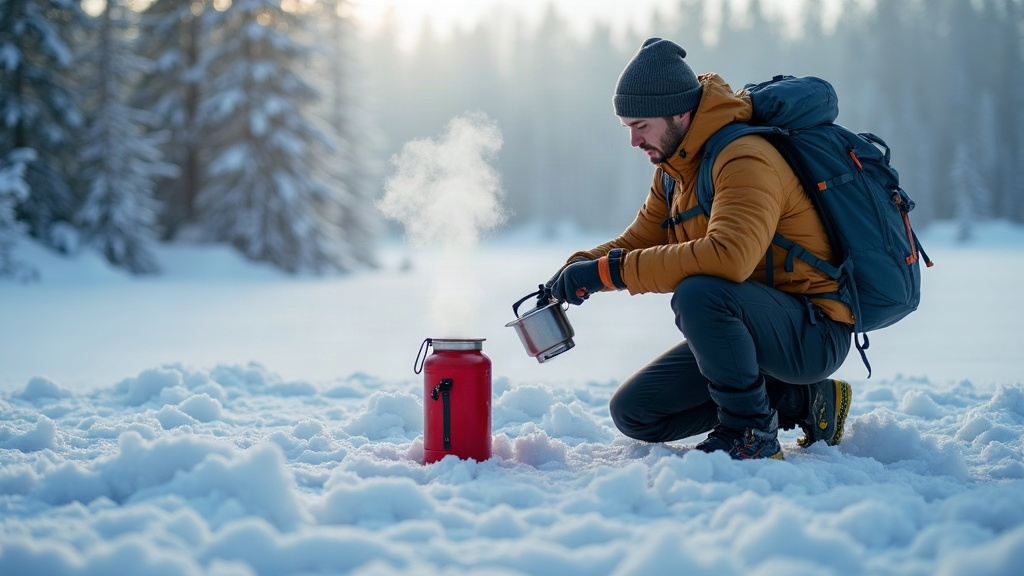
In freezing conditions, water filters can freeze, rendering them useless. It is vital to choose a filtration system that can withstand low temperatures or to have a backup method.
Recommendations for Winter Water Management
- Insulated Water Bottles: Choose vacuum-insulated bottles like the Hydro Flask to prevent freezing.
- Water Filters: Look for filters that can be backflushed, such as the Katadyn BeFree, and ensure they are stored insulated.
| Filter Model | Weight (oz) | Flow Rate (L/h) | Effective Temperature Range (°F) | Price |
|---|---|---|---|---|
| Katadyn BeFree | 2.0 | 2.0 | 32 to 104 | $49.95 |
| Sawyer Squeeze | 3.0 | 1.7 | 32 to 104 | $39.99 |
| MSR Guardian | 11.0 | 2.5 | 0 to 150 | $349.95 |
The Katadyn BeFree is lightweight and offers a good flow rate, making it suitable for winter conditions. Ensure you have a method to warm water if temperatures drop.
4. Layering Systems for Clothing
Proper layering is critical in winter backpacking to maintain body heat and prevent moisture buildup. A three-layer system is highly recommended:
- Base Layer: Look for moisture-wicking materials such as merino wool or synthetic fibers. Ensure the fit is snug but not restrictive.
- Mid Layer: Insulating mid-layers can include fleece or down jackets. Look for breathability and warmth.
- Outer Layer: The shell should be waterproof and windproof. Fabrics like Gore-Tex or similar technologies are optimal.
Clothing Layer Specifications
| Layer Type | Material | Weight (oz) | Waterproof | Breathability | Price |
|---|---|---|---|---|---|
| Base Layer | Merino Wool | 6.0 | No | High | $75.00 |
| Mid Layer | Fleece | 12.0 | No | Moderate | $100.00 |
| Outer Layer | Gore-Tex | 20.0 | Yes | High | $300.00 |
When selecting clothing, ensure each layer complements the others for optimal warmth and mobility.
Interactive Tool
For personalized gear recommendations and to calculate your winter backpacking gear weight, visit our Gear Weight Calculator.
Frequently Asked Questions
1. How do I choose the right sleeping pad for winter backpacking?
When selecting a sleeping pad for winter, prioritize R-value; look for pads with a minimum R-value of 5. Consider the weight, packed size, and insulation type. Pads with down insulation offer superior warmth but may be bulkier.
2. What should I do if my water filter freezes?
To avoid freezing, keep your water filter in an insulated pocket close to your body while hiking. If it does freeze, allow it to thaw completely before use. If you need immediate access to water, consider boiling water or using chemical purification methods.
3. How should I manage condensation in my sleeping bag?
To manage condensation, ensure your sleeping bag is rated for the conditions you’re facing. Use a vapor barrier liner if necessary. Ventilation is also key; allow moisture to escape while maintaining warmth by partially unzipping the bag.